
As summer approaches, many families are planning vacations, road trips, and time away with their pets. It’s also an important time to talk about a risk that many Florida pet owners may not think about. While Lyme disease is not as common in Florida, it is much more prevalent in northern states.
For pets that travel with their families (especially “snowbird” pets heading north), the risk of tick exposure can increase significantly. Even a short trip to a Lyme-endemic area can put pets at risk if they are not properly protected.
Why This Matters for Florida Pets
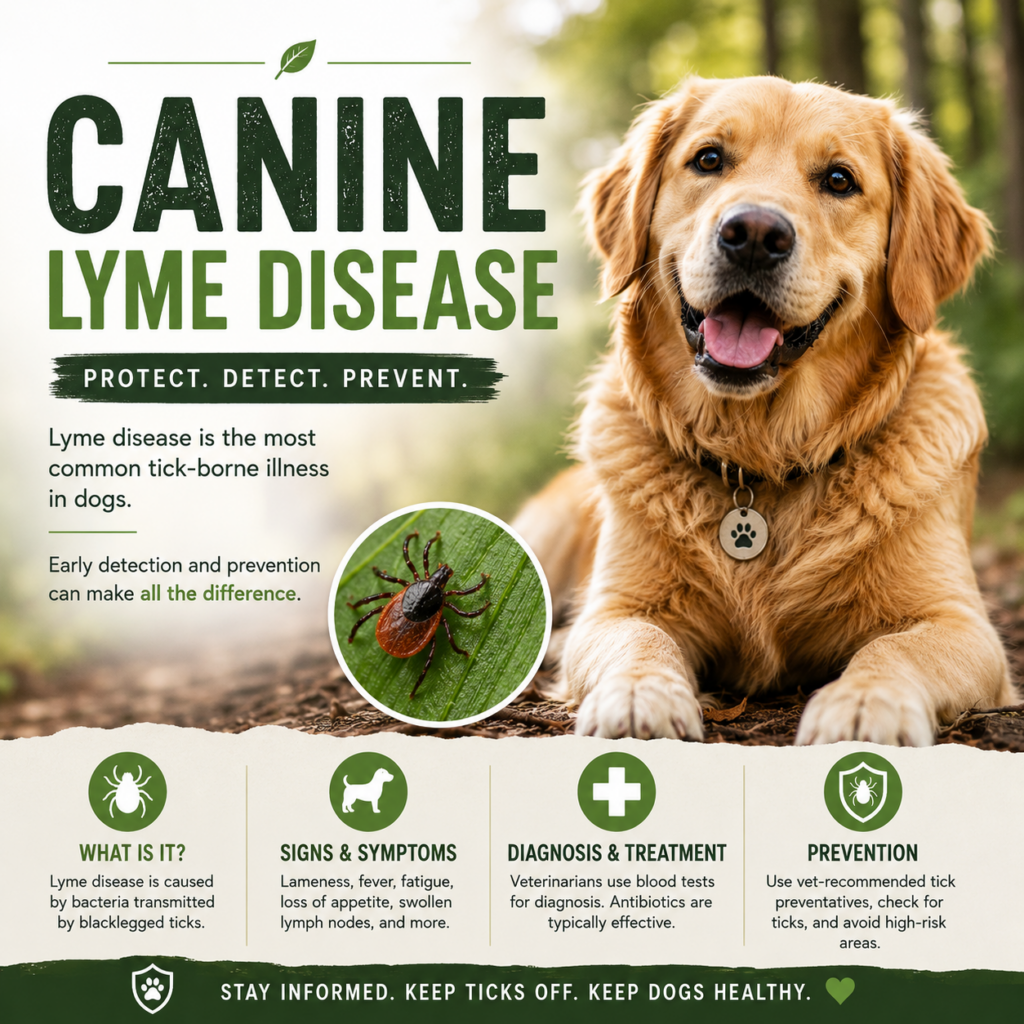
Lyme disease is caused by the bacteria Borrelia burgdorferi and is transmitted by the black-legged tick (deer tick). These ticks are widespread in the Northeast, Midwest, and parts of the Mid-Atlantic — areas many Florida families visit during spring and summer.
Even if your dog lives in Florida year-round, traveling just a few days in a high-risk area can expose them to infected ticks.
Where Your Dog Is Most at Risk
Ticks thrive in cooler, shaded, and humid environments—very different from much of Florida’s landscape. If your pet travels with you, pay extra attention in:
- Northeastern states (New York, Pennsylvania, Massachusetts, etc.)
- Upper Midwest (Wisconsin, Minnesota)
- Wooded trails, hiking areas, and parks
- Tall grass or leaf-covered environments
- Vacation homes or cabins in wooded areas
Signs of Lyme Disease in Dogs
Symptoms may not show up right away and can take weeks to months after exposure. Watch for:
- Fever
- Low energy or reluctance to move
- Decreased appetite
- Limping or shifting leg lameness
- Joint swelling or stiffness
- Swollen lymph nodes
In rare but serious cases, Lyme disease can affect the kidneys and become life-threatening. If your dog shows any of these signs after traveling, it’s important to contact your veterinarian.
How to Protect Your Dog While Traveling
For Florida pets heading north, prevention is key:
- Use Year-Round Tick Prevention (Even in Florida)
Even though Lyme risk is lower locally, prevention should never be skipped — especially before travel. - Do Tick Checks Daily While Traveling
Ticks must be attached for a period of time to transmit disease, so early removal matters. Check the following areas carefully after any outside time:
– Ears and around the face
– Under the collar
– Between toes
– Armpits and groin
– Under the tail - Pack a “Tick Kit” for Trips
Having a tick remover tool (or fine-tipped tweezers), gloves, and antiseptic wipes can be very useful. - Be Smart About Outdoor Activities
– Stick to cleared trails
– Avoid tall grass and dense brush
– Keep your dog from roaming off-trail - Ask About the Lyme Vaccine Before Travel
Get your pet vaccinated can provide an additional layer of protection when combined with tick prevention.
Back Home in Florida: Don’t Forget Follow-Up
After returning from travel, make sure to continue giving tick prevention and monitor for any symptoms over the next several weeks. If your pet had known tick exposure, consider Lyme testing.
Keeping Your Traveling Pet Safe
Living in Florida doesn’t eliminate Lyme disease risk—it just changes when and where that risk occurs. For pets that travel north, awareness and prevention are essential.
If your pet travels with you and you have questions about tick prevention, Lyme disease testing, or vaccination, please call or text us at 321-724-0234. We would be happy to discuss a prevention plan so your pet can safely enjoy every adventure—whether at home in Florida or exploring up north.
